
Wednesday, October 27, 2010
Lay Down Your Spirit
New Song! Did a quick recording of this song the other day and wanted to post it here. (There is also always other stuff here)
Lay Down Your Spirit
Download it: Here

Monday, October 4, 2010
We Still Try
After a summer off, I have a very rough recording of a new song. I was just happy to get something down.
We Still Try
Download it: Here
Monday, May 24, 2010
Lost Tangent
I wrote a couple songs this weekend. This is the simpler, less “minor” driven one. It is the first of two “Odes to Philadelphia.” For all the people that are the inheritance that we receive in this world. It is pretty stripped down, I hope you enjoy it.
I Am Blessed (Ode to Philly I)
Download it: Here
* * * * * * *
 Ok, I am taking a bit of a detour today. What was with that BS lost finale, and what is with the universal admiration of some sort of pop-philosophy purporting to divulge the true meaning of existence in a seemingly meaningful (though ultimately meaningless) chain of events in “reality”? Am I the only one that thinks it was the ultimate copout for a giant hole that was dug and never could be infused with actual meaning. OK, so they’re all dead, but they weren’t dead on the island. Let’s just side-step the continued significance of the islands ultimate meaning for the fate of the world. For 5 seasons (arguably most of the sixth as well) they played up the ultimate significance to the work on the island, and then in careless fashion devolved the significance of everything to the ultimate reality of life experienced and relationships gained. See the shift, it is from the significance of the island to human existence, and then this is ignored to say, “well what is really important is realizing the true nature of reality.”
Several blogs have stated that if one was expecting to get the minutia answered you’ll be disappointed. That’s not even it. I’m not disappointed with there facile explanation of the numbers that reality didn’t touch the surface of the meaning the writers infused them with, or their inability to even discuss the “religious” rituals and cultus on the island. More importantly, they didn’t even answer what the island was. If they took the even easier way out and said it was purgatory, then at least that would be an answer. Of course that would have additionally been disappointing (especially since they said they wouldn’t do that). However, to just say the alternate reality was purgatory does not answer any questions about the reality they existed in. What the heck was the island?
I don’t care if the experience on the island galvanized them relationally and provided the basis for their understanding of some sort of existential reality as they achieved enlightenment in a pseudo-purgatorial existence. That answers nothing about the experiences that they had. What about the time travel? What about Jacob? How did they get to the island? How does the island relate to the existence of the “real” world (since they maintained that it was the real world)?
To simply supply some sort of “well what is really meaningful is…” does not conclude anything. And my problem is not living in questions, nor is it with a story that has as its ultimate goal to enlighten existentially. This story was just poorly executed. Waiting for Godot, in its seeming meaninglessness, was at least a sustained effort to speak about existential reality and metaphysical conceptions. Lost was simply a sloppy science fiction story that needed an easy out. Don’t tell me that everything is meant to be put in proper context by the finale, that the events get proper perspective. They don’t. Life might get a certain perspective, but the “enlightenment” angle does not get them off the hook for a series that ultimately purported to be more than it was.
You may love the final conclusion. You may have thought it was beautiful in its explanation of reality. But, as a series, Lost is an epic failure.
Ok, I am taking a bit of a detour today. What was with that BS lost finale, and what is with the universal admiration of some sort of pop-philosophy purporting to divulge the true meaning of existence in a seemingly meaningful (though ultimately meaningless) chain of events in “reality”? Am I the only one that thinks it was the ultimate copout for a giant hole that was dug and never could be infused with actual meaning. OK, so they’re all dead, but they weren’t dead on the island. Let’s just side-step the continued significance of the islands ultimate meaning for the fate of the world. For 5 seasons (arguably most of the sixth as well) they played up the ultimate significance to the work on the island, and then in careless fashion devolved the significance of everything to the ultimate reality of life experienced and relationships gained. See the shift, it is from the significance of the island to human existence, and then this is ignored to say, “well what is really important is realizing the true nature of reality.”Several blogs have stated that if one was expecting to get the minutia answered you’ll be disappointed. That’s not even it. I’m not disappointed with there facile explanation of the numbers that reality didn’t touch the surface of the meaning the writers infused them with, or their inability to even discuss the “religious” rituals and cultus on the island. More importantly, they didn’t even answer what the island was. If they took the even easier way out and said it was purgatory, then at least that would be an answer. Of course that would have additionally been disappointing (especially since they said they wouldn’t do that). However, to just say the alternate reality was purgatory does not answer any questions about the reality they existed in. What the heck was the island?
I don’t care if the experience on the island galvanized them relationally and provided the basis for their understanding of some sort of existential reality as they achieved enlightenment in a pseudo-purgatorial existence. That answers nothing about the experiences that they had. What about the time travel? What about Jacob? How did they get to the island? How does the island relate to the existence of the “real” world (since they maintained that it was the real world)?
To simply supply some sort of “well what is really meaningful is…” does not conclude anything. And my problem is not living in questions, nor is it with a story that has as its ultimate goal to enlighten existentially. This story was just poorly executed. Waiting for Godot, in its seeming meaninglessness, was at least a sustained effort to speak about existential reality and metaphysical conceptions. Lost was simply a sloppy science fiction story that needed an easy out. Don’t tell me that everything is meant to be put in proper context by the finale, that the events get proper perspective. They don’t. Life might get a certain perspective, but the “enlightenment” angle does not get them off the hook for a series that ultimately purported to be more than it was.
You may love the final conclusion. You may have thought it was beautiful in its explanation of reality. But, as a series, Lost is an epic failure.
Wednesday, May 12, 2010
Performative Acts
So this week’s song is called “I’ll Fly Away” with a nod to the actual “I’ll Fly Away” at the end. I assume this is not copyright infringement, but as I was once reminded, there is no copyright infringement in the kingdom of God. I plan to get back to my moody, minor-chord-driven writing style soon, but until then, I kind of really like this song in its simplicity.
I’ll Fly Away
Download it: Here
* * * * * * *
 Nothing too profound, I shaved my beard (which I have weird picture of the “before” to the left). It was a big decision for me for some reason. As a matter of fact, I consulted a number of people with no real consensus. There was something about the grizzly aesthetic that was appealing, but my overall decision was in line with what some of my friends called a “spring renewal,” a kind of “ritual.” In truth, I have a continued sense of the need for a little shake up and refocusing lately. Shaving my beard has become just one of several acts that I have adopted to spur some change.
I am a firm believer that tangible acts, though physical in their nature, are important aspects in the transformation of a life. It is not always in thinking yourself different or transformed that you become transformed. There is a profound power in the performance of an act of renewal. It is in the actual act of enacting a new reality that you become new. Baptism, for instance, is not simply telling others of some heart decision, it is in itself transformational. It is in the performance of personal death and resurrection, the performance of being washed under the seas of complete and utter separation and destruction and being raised into a new existence, that we appropriate a new reality. There is something much more powerful in “doing” than in “thinking.” Performance is not simply the result of thinking right, but the act is in fact one of the profoundest transformational realities.
Often, I think of the story of Abraham and Isaac, which has been the subject of countless reflection (below I put up another Marc Chagall rendition - I kind of love Marc Chagall). In the last 200 years, two notable examples are Kierkegaard’s Fear and Trembling and Derrida’s The Gift of Death. These works largely focused upon the ethics of this sacrifice. Kierkegaard, struggling over the universal wrong of commanding one to sacrifice his own son (his own progeny and, in a sense, Abraham’s own life), posited that God is allowed to have a “teleological suspension of the ethical” for his own purposes. There is of course the issue of postulating a “universal” ethic (he gave in far too much to Hegel in his polemic with him). Kierkegaard’s interpretation supposes that the sacrifice itself was simply the outward manifestation of a faith that Abraham had already demonstrated. “Testing” by God being something that demonstrates what we are already internally.
 I would suggest (and this can be found elsewhere in the OT) that testing by God is not so much an outward manifestation of the true inward reality (which would be an existentialist error?); instead it is the performative act that is itself creative. It is in Abraham’s sacrifice of the promise that he was given that is in fact transformational. It is in the performance that we truly learn and are transformed by what we thought we knew but never really knew until we have lived that reality. With Abraham, this reality was profound. It is the destruction of the self in self-death in seeming hopelessness leaving only God as hope. In this same way, baptism is meant to be the performance of self-death.
All that to say: we do not know by our intellectual pursuits or our dire determination! Our acts of mental formulation in isolation will never teach us and change us as performative acts will, accompanying a desire for change with tangible acts. We don’t need to constantly rethink. We need to have our thinking changed. It is in fact our being and performing that is prior to our contemplation. It is a myth that our thinking is our primary transformational agent. I am hoping to experience change and transformation by offering a little rupture in my life, a different way of being in the world. Shaving my beard is the least of this, but it is one more performance.
 Nothing too profound, I shaved my beard (which I have weird picture of the “before” to the left). It was a big decision for me for some reason. As a matter of fact, I consulted a number of people with no real consensus. There was something about the grizzly aesthetic that was appealing, but my overall decision was in line with what some of my friends called a “spring renewal,” a kind of “ritual.” In truth, I have a continued sense of the need for a little shake up and refocusing lately. Shaving my beard has become just one of several acts that I have adopted to spur some change.
I am a firm believer that tangible acts, though physical in their nature, are important aspects in the transformation of a life. It is not always in thinking yourself different or transformed that you become transformed. There is a profound power in the performance of an act of renewal. It is in the actual act of enacting a new reality that you become new. Baptism, for instance, is not simply telling others of some heart decision, it is in itself transformational. It is in the performance of personal death and resurrection, the performance of being washed under the seas of complete and utter separation and destruction and being raised into a new existence, that we appropriate a new reality. There is something much more powerful in “doing” than in “thinking.” Performance is not simply the result of thinking right, but the act is in fact one of the profoundest transformational realities.
Often, I think of the story of Abraham and Isaac, which has been the subject of countless reflection (below I put up another Marc Chagall rendition - I kind of love Marc Chagall). In the last 200 years, two notable examples are Kierkegaard’s Fear and Trembling and Derrida’s The Gift of Death. These works largely focused upon the ethics of this sacrifice. Kierkegaard, struggling over the universal wrong of commanding one to sacrifice his own son (his own progeny and, in a sense, Abraham’s own life), posited that God is allowed to have a “teleological suspension of the ethical” for his own purposes. There is of course the issue of postulating a “universal” ethic (he gave in far too much to Hegel in his polemic with him). Kierkegaard’s interpretation supposes that the sacrifice itself was simply the outward manifestation of a faith that Abraham had already demonstrated. “Testing” by God being something that demonstrates what we are already internally.
I would suggest (and this can be found elsewhere in the OT) that testing by God is not so much an outward manifestation of the true inward reality (which would be an existentialist error?); instead it is the performative act that is itself creative. It is in Abraham’s sacrifice of the promise that he was given that is in fact transformational. It is in the performance that we truly learn and are transformed by what we thought we knew but never really knew until we have lived that reality. With Abraham, this reality was profound. It is the destruction of the self in self-death in seeming hopelessness leaving only God as hope. In this same way, baptism is meant to be the performance of self-death. All that to say: we do not know by our intellectual pursuits or our dire determination! Our acts of mental formulation in isolation will never teach us and change us as performative acts will, accompanying a desire for change with tangible acts. We don’t need to constantly rethink. We need to have our thinking changed. It is in fact our being and performing that is prior to our contemplation. It is a myth that our thinking is our primary transformational agent. I am hoping to experience change and transformation by offering a little rupture in my life, a different way of being in the world. Shaving my beard is the least of this, but it is one more performance.
Saturday, May 8, 2010
Band Practice with the Trees
School is catching up with me. So I haven’t had time to write an original this week, but I have a backlog of songs for just this occasion. This song I wrote 3 and half years ago after my first full summer in Philadelphia.
You Are a Glove
Download it: Here
* * * * * * *
 I have been getting up early these days. Not of my own accord, but I can’t wake up early two days a week and have my body think that it should sleep in on the rest of the time. So generally I make some coffee and sit out on the back balcony. I may have one of the best balconies in my apartment. Some people have to share their balcony with people from other apartments (and their balconies are significantly smaller than mine as well). However, since my studio apartment is on the corner of the building, I have a giant balcony that wraps around the corner of the building, and I have it all to myself. There is a wonderful view of the mountains and the rows of tall palm trees that line the streets of Pasadena. Seeing the palm trees conquering over there commercial center from a distance is far more comforting than walking among them amidst the hustle and bustle.
The trees are incredibly calming to me. I can see why Paul talks of those who have put there trust in the creation rather than the creator. There is a certain tranquility and transcendence that one experiences in the calmness of the morning enjoying the trees’ subtle sway (though of course sun and rain likely had more impact on the daily lives of the people Paul was referencing). But I like to think of Isaiah 55 (and maybe that Sufjan Stevens song). Isaiah 55 is an amazingly hopeful segment of promise... “Come all you who are thirsty…”
You will go out in joy and be led forth in peace; the mountains and hills will burst into song before you, and all the trees of the field will clap their hands (Isa 55:12, NIV).
I like to sit in the stillness and imagine that the subtle sway of the trees is a warming up for future rejoicing. They have a show coming up and they are practicing for the coming of peace and wholeness. It may be silly, but so much of the world is what we allow ourselves to see. I like to think that I am in friendly competition with the trees. They are warming up their praise, and I don’t want to be undone. I am thankful for the days that my heart is warming up along with them (or the term Paul uses splagchna, which roughly translates as “emotional organs,” Phlm 12 [intestines?]. Let my intestines sing! Let whatever sing). The trees remind me as walk throughout the day to always be thankful, not because of what they are, but who sustains them. I’m waiting to hear what it sounds like when the mountains just to my right break out in song (though this is California, so I hope it doesn’t resemble and earthquake).
I have been getting up early these days. Not of my own accord, but I can’t wake up early two days a week and have my body think that it should sleep in on the rest of the time. So generally I make some coffee and sit out on the back balcony. I may have one of the best balconies in my apartment. Some people have to share their balcony with people from other apartments (and their balconies are significantly smaller than mine as well). However, since my studio apartment is on the corner of the building, I have a giant balcony that wraps around the corner of the building, and I have it all to myself. There is a wonderful view of the mountains and the rows of tall palm trees that line the streets of Pasadena. Seeing the palm trees conquering over there commercial center from a distance is far more comforting than walking among them amidst the hustle and bustle.
The trees are incredibly calming to me. I can see why Paul talks of those who have put there trust in the creation rather than the creator. There is a certain tranquility and transcendence that one experiences in the calmness of the morning enjoying the trees’ subtle sway (though of course sun and rain likely had more impact on the daily lives of the people Paul was referencing). But I like to think of Isaiah 55 (and maybe that Sufjan Stevens song). Isaiah 55 is an amazingly hopeful segment of promise... “Come all you who are thirsty…”
You will go out in joy and be led forth in peace; the mountains and hills will burst into song before you, and all the trees of the field will clap their hands (Isa 55:12, NIV).
I like to sit in the stillness and imagine that the subtle sway of the trees is a warming up for future rejoicing. They have a show coming up and they are practicing for the coming of peace and wholeness. It may be silly, but so much of the world is what we allow ourselves to see. I like to think that I am in friendly competition with the trees. They are warming up their praise, and I don’t want to be undone. I am thankful for the days that my heart is warming up along with them (or the term Paul uses splagchna, which roughly translates as “emotional organs,” Phlm 12 [intestines?]. Let my intestines sing! Let whatever sing). The trees remind me as walk throughout the day to always be thankful, not because of what they are, but who sustains them. I’m waiting to hear what it sounds like when the mountains just to my right break out in song (though this is California, so I hope it doesn’t resemble and earthquake).
Wednesday, April 28, 2010
Oh, Brother! Life is not a Movie!
I’m digging this track… and today it relates to the reflection! I put some lap steel down for the first time. It’s pretty simple but I like it. Check it out. The harmonies are kind of cool too.
Oh, Sister!
Download it: Here
* * * * * * *

Oh! Brother. Life is not a movie.
Trying to take that one in a lot lately. I have been a planner. Sometimes planning some things at the expense of other things or people (a hard lesson to learn), but always with a goal. Life has a way of disrupting those goals. Life has a way of disrupting the way you think things should be. You make mistakes along the way. You learn your lessons. You swear you can fix everything that you’ve broken and that the world is malleable to your own will. But, what a lesson to learn that it’s not! to take your punches and role with it.
It’s a lesson in learning something about stories. First, you learn, as much as you thought you realized it, that the world isn’t your story. There are lots of stories, and lots of people. Their stories are not yours to manipulate.
Further, putting your story of life as the pinnacle ultimately leads to disappointment. To be sure you are a part of a bigger story, but it is not all about you. Take your lumps, learn your lessons, and see how you can move on and not make those same mistakes again. We are not condemned to relive them. You may not get to apply your lessons the way you want, but new life springs and you can live your story there and as part of a bigger story. It is helpful to have perspective.
In Colossians 1, Paul makes the statement that the suffering that he has gone through for those believers is really filling up that which is lacking in Christ’s suffering. Sounds maybe arrogant or controversial. But it does give some perspective. The story isn’t over! We are living something bigger. This does not discount our stories, but they are part of that bigger story.
Take your lumps. Learn your lessons. Live them out in the ways that life allows you. You may not get to reconcile the things you want (even if you think you can make everything better... sometimes it isn't up to just you), and that may just be a hard lesson. Life doesn’t always go the way you want. But there is a bigger story, and it is in the continual living in the suffering and resurrection. There is new life and love and hope and opportunities. Maybe not in the way you wanted (it may cause you to reprioritize everything) but new life springs up when you least expect it!
* * * * * * *
Also I am playing a sort set Friday at the “El Molino” house @ 8. If you live in LA, come out! If you live elsewhere, fly out! - 871 n el Molino, Pasadena, CA.
Oh! Brother. Life is not a movie.
Trying to take that one in a lot lately. I have been a planner. Sometimes planning some things at the expense of other things or people (a hard lesson to learn), but always with a goal. Life has a way of disrupting those goals. Life has a way of disrupting the way you think things should be. You make mistakes along the way. You learn your lessons. You swear you can fix everything that you’ve broken and that the world is malleable to your own will. But, what a lesson to learn that it’s not! to take your punches and role with it.
It’s a lesson in learning something about stories. First, you learn, as much as you thought you realized it, that the world isn’t your story. There are lots of stories, and lots of people. Their stories are not yours to manipulate.
Further, putting your story of life as the pinnacle ultimately leads to disappointment. To be sure you are a part of a bigger story, but it is not all about you. Take your lumps, learn your lessons, and see how you can move on and not make those same mistakes again. We are not condemned to relive them. You may not get to apply your lessons the way you want, but new life springs and you can live your story there and as part of a bigger story. It is helpful to have perspective.
In Colossians 1, Paul makes the statement that the suffering that he has gone through for those believers is really filling up that which is lacking in Christ’s suffering. Sounds maybe arrogant or controversial. But it does give some perspective. The story isn’t over! We are living something bigger. This does not discount our stories, but they are part of that bigger story.
Take your lumps. Learn your lessons. Live them out in the ways that life allows you. You may not get to reconcile the things you want (even if you think you can make everything better... sometimes it isn't up to just you), and that may just be a hard lesson. Life doesn’t always go the way you want. But there is a bigger story, and it is in the continual living in the suffering and resurrection. There is new life and love and hope and opportunities. Maybe not in the way you wanted (it may cause you to reprioritize everything) but new life springs up when you least expect it!
Also I am playing a sort set Friday at the “El Molino” house @ 8. If you live in LA, come out! If you live elsewhere, fly out! - 871 n el Molino, Pasadena, CA.
Friday, April 23, 2010
Sing It All Together!!
This week's song is especially dear to my heart for a couple reasons. It’s meant to be a lament but ends with perspective and a bit of joy. I’m feeling a bit of the latter lately. Maybe it is the sunshine (which always helps), but reflection and new perspective gives birth to new hope. Secondly, I had a lot of fun recording the rough background vocals in the second half of the song. In alphabetical order, Jeana and Mike Master, Lauren and Matt Meares, and Christina Miller were kind enough to be my background singers. I added a little outtake from an attempt to do a sound check at the end. I’m not sure that they thought I would add this, but it was so (almost obnoxiously) cute I had to add it. I hope you enjoy it. It kind of makes me smile… but don’t let the sappiness drive you away!
What We've Done
Download it: Here
 I don’t want to add too much this week in terms of reflection, but what this song reflects is a general impression I have of the family of God. I often make the statement that my faith is really often dependent much more on community than most people would ever want to admit. I don’t mean this in some sort of strange unhealthy dependency. Each person is not a single ship floating in a turbulent sea. However, often when my own “individual” faith is in straights, I have been able to lean on my community, my brothers and sisters, and this has not been a cop out or a counterfeit faith; we share our faith. We are there for each other when we need it. My faith isn’t a single line directly connected with God alone. If it were, I may have given up a long time ago. I like often to speak of our faith. There is a personal dimension, but it is only personal within a family. How sad to work out your faith only in your existential suffering. Instead bring your existential suffering to your brothers and sisters.
There have been ample reasons for me to believe that I have the best family (and I think kinship language is an important designation) in the world. Both in California and Philadelphia (and DC and wherever Bradley James is at the moment), our faith is truly being lived out together in a concrete way. A faith that creates and transforms each other in a mutual self-giving love. Those who care about me truly show they care, and I have been lucky enough to care for them in return when I can. Acts of kindness and compassion, time and love, are truly an act of faith and the working of faith among us.
I have also become fonder of designating people sister and brother lately. Of course that can become formal, but don’t let it. Share your love and kindness and truly love each other.
Sing it all together!
-T Dubs.
I don’t want to add too much this week in terms of reflection, but what this song reflects is a general impression I have of the family of God. I often make the statement that my faith is really often dependent much more on community than most people would ever want to admit. I don’t mean this in some sort of strange unhealthy dependency. Each person is not a single ship floating in a turbulent sea. However, often when my own “individual” faith is in straights, I have been able to lean on my community, my brothers and sisters, and this has not been a cop out or a counterfeit faith; we share our faith. We are there for each other when we need it. My faith isn’t a single line directly connected with God alone. If it were, I may have given up a long time ago. I like often to speak of our faith. There is a personal dimension, but it is only personal within a family. How sad to work out your faith only in your existential suffering. Instead bring your existential suffering to your brothers and sisters.There have been ample reasons for me to believe that I have the best family (and I think kinship language is an important designation) in the world. Both in California and Philadelphia (and DC and wherever Bradley James is at the moment), our faith is truly being lived out together in a concrete way. A faith that creates and transforms each other in a mutual self-giving love. Those who care about me truly show they care, and I have been lucky enough to care for them in return when I can. Acts of kindness and compassion, time and love, are truly an act of faith and the working of faith among us.
I have also become fonder of designating people sister and brother lately. Of course that can become formal, but don’t let it. Share your love and kindness and truly love each other.
Sing it all together!
-T Dubs.
Friday, April 16, 2010
Let's be a Forest

A poor potted plant, or more properly a would be tree, customarily standing near to seven feet in a peaceful slumber, was lying face down in the middle of the sidewalk. How did I know it was “face” down? The limits of language prohibit me from divulging this in any great detail, but if you were there, you would concur that this would be tree was sucking on cement; its many limbs at its side lying motionless admitting defeat to the little more than moderate wind that had left it conquered upon the concrete.
When the wind came to wake this potted tree from its slumber, I was in the expected position, slouched at my lower waste, trying to get five hours out of a cup of coffee while attempting to keep my head above water in the deluge of reading that piles newly every week. The tree lay with a quarter of its soil strewn at its side, and without a thought, I picked myself from my slouch and proceeded to scrape the spilled soil back into its base and return the tree to it rightful vertical stature.
No more than two minutes later, another mighty gust came and left the tree inn the same prone position as before. My eagerness to help gave way to defeat immediately. “This tree was meant to be face down in the cement,” I thought. But, in the same instant another man was walking by and scraped the spilled soil again back into its base and the tree again regained its dignity.
And again, a third time, a seemingly innocuous wind left the tree again face down as if the poor plant had given up any resistance in the matter. But like clockwork a third man came and saved the tree from the pavement. He scraped the spilled soil back into its base and helped the tree upright.
When I left the tree, it remained rigidly positioned and rightfully erect.
The next day I found myself in the same slouched position, in the same seat, with a new cup of coffee and a new book. Happily, the tree managed to remain standing throughout my visit. I had a fellow reader with me in the shaded café-front sitting with his back to me at a table across the doorway. He, situated next to the would-be tree, read with two ipod earbuds lodged firmly in his inner ears so as to avoid any distraction. I am not exactly sure what he was reading, but I am sure that it must have been extremely important.
Another man came up and asked for some change to get a sandwich, and without removing his earbuds or letting the other man finish his petition, my café-companion (of sorts) interjected, “I’m sorry, I don’t have any cash on me.” (of course the café also does not take credit cards, so good thing he brought exact change for his drink or he might have had to borrow some from someone else). Unfazed, the petitioning man walked on for help elsewhere…
He didn’t ask me for anything, but I didn’t go and offer either.
“Our desire is not that others might be relieved while you are hard pressed, but that there might be equality. At the present time your plenty will supply what they need, so that in turn their plenty will supply what you need. Then there will be equality” (2 Cor 8:13-14).
This week I was trying to write a song that rivaled my last (The Flood). I just liked it a lot, but this proved counterproductive. So I just started strumming away and was actually pretty pleased by what came out. I laid down a rough track last night and planned to do a better recording this morning; however, I fumbled through my vocals enough this morning that I decided to just put up the rough track. It could be a lot better, but I kind of just wanted to post it (and stop driving my upstairs neighbor nuts by singing at the top of my lungs). Let me know what you think!
[EDIT: Added some harmonies 7:00 PM Friday, but it's still pretty rough... pretty pretty rough]
Much Peace,
Tim
Monday, April 12, 2010
Exodus and Remembering
I thought I might put the song at the beginning this week, so that you could listen while reading (or that you might have easy access to the song if that’s what you want). I am particularly proud of this one. It is my favorite song that I have written yet.
When listening think old farmer and the connection with basic human need and emotion. From this human experience it was interesting me to apply flood imagery, catastrophe and cataclysm. In that the need for grace both in the broad sense and at the basic human level is appropriate. There is a hint of hope, however justified that hope is depends upon the narrative of the song and the one listening. The focus on “fullest time” and the conquering can be ultimately or particularly. But either way “fullest time” happens now and then.
I wrote and recorded this early yesterday morning, so my voice has an interesting gruffness in it but it also gives out a little at the end. This might be an endearing thing. Give it a listen, and let me know what you think!
It is called:
The Flood
Download it: Here
* * * * * * *
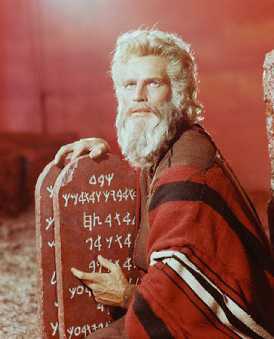 This week when our little house church gathered for a meal and some reflection, Christina Miller shared with us some thoughts on Numbers 11 and Isaiah 43. The passages reference the Exodus in remembrance and analogy for God’s current action with his people (Isa 43) and a remembrance within the actual Exodus of the faithful action of God on one side and the Israelites remembering all that they had left behind on the other (Num 11). For our purposes, let's begin by trying to not remember Exodus in terms of Charlton Heston.
The people grumbled:
It is easy to look back on these stories and fault the Israelites for failure to keep their eye on the prize. How could they not remember what just happened and the great works that we read about in earlier sections of the narrative? However, I wonder how different our responses would be to the situation. First, it is easy to underestimate the rigors of such a journey. Second, it is also easy to forget what slavery does to socialize a people. Slavery was the only life they had known, it is hard to think beyond it. Though they were oppressed and forced to work hard labor, there was a security in that slavery.
There is something about a “slave mentality” that creates a certain limitation of belief. First, if you know no other life, it is sometimes hard to do the hard work of redefining all the things that you have depended upon. This is often the case with our own destructive behaviors. It is hard to re-imagine our lives apart from what we have always known. It is easy to profess “cognitive” faith, but it is much harder to live out of that faith open to the possibilities of how things could be different. There is comfort in the old existence when push comes to shove. It provides stability regardless of how oppressive that stability can be.
Second, a “slave mentality” often causes us to see the past through rose-colored classes so to speak. The grumble of the Israelites was not the desire to return to grueling work and oppression under a foreign king. Instead they remembered the cucumbers. How often do we remember the cucumbers and not the whip? (Hey, that's good! Maybe I should have titled this post "Cucumbers and the Whip.") Remembering can be selective in times when your world seems to be foreign and out of whack. It is easy to not remember the mighty acts of God when the moment is creating nothing but meaninglessness. It is not so much a problem of remembering but of remembering correctly. The longing for the security of what we have known and the structures that provided meaning often causes us to recast what we had known in terms of our longing for stability and security.
Isaiah proclaims:
As much as he says, not to remember the things of the past, he bases everything he says upon it. The past is the model of the work God is doing. The “not remembering” only means, “do not be stuck longing for what happened already.” God is doing something new and it is faithful to what he has already done. God has proven his fidelity and again will bring about an Exodus and release for all creation.
Remembering the past correctly also means remembering that God’s promises point to a future that are no longer dependent upon the past. We should not remember with nostalgia in seemingly present meaninglessness. There is something happening. There is a future to press on towards. There is a promised land to which we are destined. And that promised land gives meaning and structure to what we have now.
At times, our current longings can be a crisis of imagination, but at the same time we should be able to enter into David’s lament: “My God why have you forsaken me?” (Ps 22). This is real suffering, but the answer is not to go back to the stability of oppression but to remember the faithfulness of God, which is exactly what David does in that Psalm. The answer to our current distress is not returning to oppression but striving together for wholeness found in our reframing of the world.
So the remembering of the past must be done "properly." Was our oppression really worth the security of our own destructiveness? The present has to be considered in light of what God has done and the promises that he has based upon his past faithfulness. But the present only makes sense if we know there is hope, a goal, and fullness (a fullness of time). But make no mistake, this fullness is not some future utopia, it is the reordering of all things now: with our community and friends who support us and help us to restructure our understanding of stability and hope, the process itself in each individual of reframing her or his imagination away from oppression, and the actual reordering of the structures of the world that oppress all those around us.
A friend at this meeting (Jeff Ansloos) reminded us that memory is not something that comes naturally; you have to stop to do it. It seems to me that sometimes we live our lives full-steam and never reflect until moments of instability cause us to reassess. That is when it is the most crucial to think forward to what can be rather than backward at what seemed to fulfill.
Much Peace,
Tim
When listening think old farmer and the connection with basic human need and emotion. From this human experience it was interesting me to apply flood imagery, catastrophe and cataclysm. In that the need for grace both in the broad sense and at the basic human level is appropriate. There is a hint of hope, however justified that hope is depends upon the narrative of the song and the one listening. The focus on “fullest time” and the conquering can be ultimately or particularly. But either way “fullest time” happens now and then.
I wrote and recorded this early yesterday morning, so my voice has an interesting gruffness in it but it also gives out a little at the end. This might be an endearing thing. Give it a listen, and let me know what you think!
It is called:
This week when our little house church gathered for a meal and some reflection, Christina Miller shared with us some thoughts on Numbers 11 and Isaiah 43. The passages reference the Exodus in remembrance and analogy for God’s current action with his people (Isa 43) and a remembrance within the actual Exodus of the faithful action of God on one side and the Israelites remembering all that they had left behind on the other (Num 11). For our purposes, let's begin by trying to not remember Exodus in terms of Charlton Heston.The people grumbled:
The rabble among them had a strong craving; and the Israelites also wept again, and said, “If only we had meat to eat! We remember the fish we used to eat in Egypt for nothing, the cucumbers, the melons, the leeks, the onions, and the garlic” (Num 11:4-5, NRSV).
It is easy to look back on these stories and fault the Israelites for failure to keep their eye on the prize. How could they not remember what just happened and the great works that we read about in earlier sections of the narrative? However, I wonder how different our responses would be to the situation. First, it is easy to underestimate the rigors of such a journey. Second, it is also easy to forget what slavery does to socialize a people. Slavery was the only life they had known, it is hard to think beyond it. Though they were oppressed and forced to work hard labor, there was a security in that slavery.
There is something about a “slave mentality” that creates a certain limitation of belief. First, if you know no other life, it is sometimes hard to do the hard work of redefining all the things that you have depended upon. This is often the case with our own destructive behaviors. It is hard to re-imagine our lives apart from what we have always known. It is easy to profess “cognitive” faith, but it is much harder to live out of that faith open to the possibilities of how things could be different. There is comfort in the old existence when push comes to shove. It provides stability regardless of how oppressive that stability can be.
Second, a “slave mentality” often causes us to see the past through rose-colored classes so to speak. The grumble of the Israelites was not the desire to return to grueling work and oppression under a foreign king. Instead they remembered the cucumbers. How often do we remember the cucumbers and not the whip? (Hey, that's good! Maybe I should have titled this post "Cucumbers and the Whip.") Remembering can be selective in times when your world seems to be foreign and out of whack. It is easy to not remember the mighty acts of God when the moment is creating nothing but meaninglessness. It is not so much a problem of remembering but of remembering correctly. The longing for the security of what we have known and the structures that provided meaning often causes us to recast what we had known in terms of our longing for stability and security.
Isaiah proclaims:
I am the LORD, your Holy One, the Creator of Israel, your King. Thus says the LORD, who makes a way in the sea, a path in the mighty waters, who brings out chariot and horse, army and warrior; they lie down, they cannot rise, they are extinguished, quenched like a wick: Do not remember the former things, or consider the things of old. I am about to do a new thing; now it springs forth, do you not perceive it? I will make a way in the wilderness and rivers in the desert (Isa 43:15-19, NRSV).
As much as he says, not to remember the things of the past, he bases everything he says upon it. The past is the model of the work God is doing. The “not remembering” only means, “do not be stuck longing for what happened already.” God is doing something new and it is faithful to what he has already done. God has proven his fidelity and again will bring about an Exodus and release for all creation.
Remembering the past correctly also means remembering that God’s promises point to a future that are no longer dependent upon the past. We should not remember with nostalgia in seemingly present meaninglessness. There is something happening. There is a future to press on towards. There is a promised land to which we are destined. And that promised land gives meaning and structure to what we have now.
At times, our current longings can be a crisis of imagination, but at the same time we should be able to enter into David’s lament: “My God why have you forsaken me?” (Ps 22). This is real suffering, but the answer is not to go back to the stability of oppression but to remember the faithfulness of God, which is exactly what David does in that Psalm. The answer to our current distress is not returning to oppression but striving together for wholeness found in our reframing of the world.
So the remembering of the past must be done "properly." Was our oppression really worth the security of our own destructiveness? The present has to be considered in light of what God has done and the promises that he has based upon his past faithfulness. But the present only makes sense if we know there is hope, a goal, and fullness (a fullness of time). But make no mistake, this fullness is not some future utopia, it is the reordering of all things now: with our community and friends who support us and help us to restructure our understanding of stability and hope, the process itself in each individual of reframing her or his imagination away from oppression, and the actual reordering of the structures of the world that oppress all those around us.
A friend at this meeting (Jeff Ansloos) reminded us that memory is not something that comes naturally; you have to stop to do it. It seems to me that sometimes we live our lives full-steam and never reflect until moments of instability cause us to reassess. That is when it is the most crucial to think forward to what can be rather than backward at what seemed to fulfill.
Much Peace,
Tim
Friday, April 9, 2010
Resurrection and Apocalypse

At some point in my life I decided that Jesus was all about creating a new political order. Of course not in the sense of setting up some sort of violent revolution, but instead, an alternate non-worldly “political” system of interactions that is inherently oppositional to all human authority that oppresses and destroys. The kingdom of God being the mustard seed that destroys all Empire. I still maintain this belief rather strongly, but somewhere along the line this divorced itself from God’s personal concern for me. God ceased to be a loving being that was with me in my suffering and existential pain and was in some sense only a distant community organizer of sorts.
This season, God has been uncovering for me the God that actually cares about my own existence and the grief and joy that I experience no matter how unimportant I might try to convince myself that experience is.
My thinking about the resurrection has been similar, and I have been finding some comfort in Paul in this regard. Maybe it is because I am taking a class on Paul or because, like Paul, my encounter was not with the disciples at the resurrection, but a subsequent appropriation of a new direction based on God’s own work in my life (though, this downplays somewhat the dramatic event that he experienced on the Damascus road).
A real odd place to reflect upon the resurrection is Galatians, but I have found some things there recently that I have been reflecting on and have helped me make a little sense out of the situation, so briefly:
Firstly, Paul’s initial autobiographical excursion (Gal 1-2) is interesting in the way it describes his life and mission. The beginning begins with his upbringing in his ancestral traditions. He is a “zealot” for those traditions, but his actions are always an “I”. The radical change occurs when Paul receives an apocalypsis (an apocalyptic vision; 1:16). Many translations talk about Jesus being revealed to him, but the radical nature of this vision is apocalyptic, the use of this word occurs elsewhere in Galatians and should not be downplayed. From that point forward, the actions are no longer his self-motivation but the actions of God in him. He even goes up to Jerusalem in response to an apocalypsis. It is the encounter with the resurrected Jesus that makes his life a radical disjuncture from what it was before. This revelation is not about himself any longer and he has radically broken from his former existence.
Secondly, Paul’s subsequent life is defined not by moral maxims or even trying to represent Jesus’ life in a WWJD fashion. Instead his life becomes defined by crucifixion (2:15-21).
For Paul, his story is no longer his own. He in fact, in living his life, is guided by and enacting the living presence of Christ. He in his own “crucifixion” has become one with Christ in such a way that radically changes his existence.
Paul’s “story” is not “the Paul who follows Christ” it is the story of Christ which is lived out by Paul. His life (and the life of the church) is the enacting of the gospel, not simply a life based on precepts. This occurs by the radical nature of the encounter with Jesus and by the power of the Holy Spirit.
But incarnational living that is so much more than following a moral example certainly does not exclude the resurrection. It is the resurrection that we live into. Paul is very aware that he is experiencing the resurrection now in this story he is living. In our pain and suffering we also experience the life of the resurrection. We are living Christ in his suffering with creation, his destruction and protest against those things that destroy, and the freedom of new life that springs newly in each person and in his community.
In honesty, however, this has been difficult to appropriate; largely because my life experiences pre-easter pain, but it has been difficult for me to see the joy of resurrection through such pain. May God give me the eyes to see and the incarnational experience to live the true life of Christ. And specifically this season, I have come to believe (maybe again) that this life in Christ and the care of God are of the loving nature that I have always been told they were. May we all experience the resurrection more in our lives with God and with each other. May we never believe that our personal pain is unimportant to God or our sisters and brothers, and may we pray in our sufferings and pray in our joy to have that apocalyptic resurrection always.
So this song has nothing to do with anything I just wrote. I write what I write and I wrote two of them yesterday! So please give a listen. It is called:
Also if you have never listened to Max Richter’s memoryhouse, do yourself a favor.
Saturday, April 3, 2010
Deus, Deus Meus
My God, my God, why have you forsaken me?
My God, my God, why have you forsaken me?
My God, my God, why have you forsaken me?
And are so far from my cry and from the words of my distress?
O my God, I cry in the daytime, but you do not answer;
By night as well, but I find no rest.
Yet you are the Holy One,
Enthroned upon the praises of Israel.
Our forefathers put their trust in you;
They trusted, and you delivered them.
They cried out to you and were delivered;
They trusted in you and were not put to shame.
My God, my God, why have you forsaken me?
But as for me, I am a worm and no man.
Scorned by all and despised by the people.
All who see me laugh me to scorn;
They curl their lips and wag their heads, saying,
“He trusted in the LORD; let him deliver him;
Let him rescue him, if he delights in him.”
Yet you are he who took me out of the womb,
And kept me safe upon my mother’s breast.
I have been entrusted to you ever since I was born;
You were my God when I was still in my mother’s womb.
Be not far from me, for trouble is near,
And there is none to help.
My God, my God, why have you forsaken me?
 While recognizing Good Friday last night at St. James Episcopal in South Pasadena, we went through this recitation of Ps 22:1-11. There are several interesting aspects to this passage, but I won’t have time to thoroughly expound upon them. But I do find it interesting that in the Good Friday tradition from the gospels and the early church (and likely well prior to that in Judea) this Psalm was seen as a messianic Psalm; the messiah’s cry in his suffering and utter rejection, in his abandonment and loneliness. We see as well David crying out in his trouble. Where is the Lord? And an appeal to the Exodus. An appeal to the God who has proven that he will save people from bondage and despair. On Good Friday, our eternal king has embodied the suffering of the world that we have seen throughout history. And he cries the cry of David, “My God, my God, why have you forsaken me?”
Jesus has joined the suffering of the Exodus, he is the king of those suffering. Not because he wanted to suffer, but because a wayward world exploits, manipulates, and destroys.
But the Psalmist appeals to the hope of the past. We know God is good because he has acted on behalf of his people. So today my prayer is a dirge and a lament. Lift up your prayers to God and grieve the sorrow that you have. Ask where God is in your loneliness and suffering? Where is he when you need him most and seems the farthest? Appeal to his promises. Do not let them go unaccounted for. We wait for God to fulfill his promises for you, those in your community, and all those in distress.
I put my own music to this rendition of the Psalm. It is more a meditative exercise that I tossed together this morning meant as a way to reflect upon the Psalm. It was more for my own contemplation but maybe you will enjoy it.
Deus, Deus Meus:
Download it: Here
Much Peace,
Tim
My God, my God, why have you forsaken me?
My God, my God, why have you forsaken me?
And are so far from my cry and from the words of my distress?
O my God, I cry in the daytime, but you do not answer;
By night as well, but I find no rest.
Yet you are the Holy One,
Enthroned upon the praises of Israel.
Our forefathers put their trust in you;
They trusted, and you delivered them.
They cried out to you and were delivered;
They trusted in you and were not put to shame.
My God, my God, why have you forsaken me?
But as for me, I am a worm and no man.
Scorned by all and despised by the people.
All who see me laugh me to scorn;
They curl their lips and wag their heads, saying,
“He trusted in the LORD; let him deliver him;
Let him rescue him, if he delights in him.”
Yet you are he who took me out of the womb,
And kept me safe upon my mother’s breast.
I have been entrusted to you ever since I was born;
You were my God when I was still in my mother’s womb.
Be not far from me, for trouble is near,
And there is none to help.
My God, my God, why have you forsaken me?
While recognizing Good Friday last night at St. James Episcopal in South Pasadena, we went through this recitation of Ps 22:1-11. There are several interesting aspects to this passage, but I won’t have time to thoroughly expound upon them. But I do find it interesting that in the Good Friday tradition from the gospels and the early church (and likely well prior to that in Judea) this Psalm was seen as a messianic Psalm; the messiah’s cry in his suffering and utter rejection, in his abandonment and loneliness. We see as well David crying out in his trouble. Where is the Lord? And an appeal to the Exodus. An appeal to the God who has proven that he will save people from bondage and despair. On Good Friday, our eternal king has embodied the suffering of the world that we have seen throughout history. And he cries the cry of David, “My God, my God, why have you forsaken me?”Jesus has joined the suffering of the Exodus, he is the king of those suffering. Not because he wanted to suffer, but because a wayward world exploits, manipulates, and destroys.
But the Psalmist appeals to the hope of the past. We know God is good because he has acted on behalf of his people. So today my prayer is a dirge and a lament. Lift up your prayers to God and grieve the sorrow that you have. Ask where God is in your loneliness and suffering? Where is he when you need him most and seems the farthest? Appeal to his promises. Do not let them go unaccounted for. We wait for God to fulfill his promises for you, those in your community, and all those in distress.
I put my own music to this rendition of the Psalm. It is more a meditative exercise that I tossed together this morning meant as a way to reflect upon the Psalm. It was more for my own contemplation but maybe you will enjoy it.
Much Peace,
Tim
Tuesday, March 30, 2010
CLFJ in Greensboro!
Just for the heck of it I found this video of my old band playing the worst show on our summer tour of 2005. This is definitely not our best song and I didn't remember that I had such a baby face, but I think it is funny.
So BONUS.
So BONUS.
Monday, March 29, 2010
Anomie and Expectation

One of the standard books on the sociology of religion is called The Sacred Canopy by Peter Berger. Largely following Durkheim, Berger makes the claim that “religion is a social construct.” In one way I accept that definition. There is no need to exclude God from the process of a certain kind of socialization. Berger today is himself a Christian and might say something similar.
Another concept that he discusses is the concept of “anomie,” or lawlessness. We generally live in a situation where the world is ordered and “lawful” or “nomic.” In this world everything makes sense based upon the social system we have given it. The world is lawful and comfortable. In this world religion can serve to legitimate this social structure. However, there are times when something cataclysmic happens in an individual or communal life that throws one part of the system out of whack and the order that was once perceived to exist is lost; this is anomie (lawlessness).
In a state of anomie everything seems meaningless. One no longer sees value in the same things and struggles to find meaning where it had been lost. A large part of our lives are an attempt to find “nomie” out of “a-nomie.”
Reflecting on Palm Sunday, particularly in Luke 19, I started thinking about expectations and the order that everyone lived by. The disciples ushering in Jesus had expected Jesus to set-up a messianic kingdom through a revolution in Jerusalem. Their religio-political expectations caused them to see religion legitimating their view of how the world should be structured. The religious leaders (and the Gentile authorities) legitimated their authority on their own religious constructions and thus saw Jesus as the enemy.
As Jesus approaches death, we see that even the people turn on him. He didn’t meet their expectations. He didn’t fit into the way they understood the world or the messiah. One imagines the dejection of the disciples at the crucifixion of Jesus and the anomie and sense of meaningless and hopelessness this might have caused. They expected this man to set up a kingdom, and he is killed as a political criminal.
Yet this crisis in the world for the disciples ultimately gives the world new meaning in the resurrection. The world is completely renewed and has a new structure and lawfullness. But it is no longer based upon the false expectations of Palm Sunday (this is not to say that Jesus isn’t political or a king, just that what this means has to be reconsidered). They did not know the things that would bring them peace.
This Palm Sunday and for the rest of Holy Week, my prayer is that my false expectation will be torn down and that my nomie might be restructured, even cataclysmically, to God’s order. Even moreso, the personal upheaval and anomie that weighs heavy upon me might be an open space for the things that bring peace to create a new order of God’s shalom in my heart and in every community I exist in.
I long to know God’s peace in the midst of seeming meaninglessness.
So this week I am not offering an original song but a version of the prayer of St Francis. I laugh a little bit cause I mess it up, but I like hiccups in simple recordings like this.
Much Peace,
Tim
Sunday, March 21, 2010
There is a Peace

I fully intend there to be more content to this at some point, but for now I am happy with the blog providing me with motivation to write music. The latest contribution is a song called "There is a Peace," which is not a particularly clever title; that is simply the first line.
But it is a reflection of my meditations lately. Whether I more or less accept it at different times, I believe it and am looking for that peace. I have been taking walks lately looking for God in the little things. Thomas Merton talks about how every moment is filled with seeds that we may or may not let be implanted within us. These seeds grow and mature and change the way we view the entire world.
Taking walks with no where to go for me is a conversion of imagination and hope. But it is also a process.
This song is just a first take recording I did on my shoddy equipment. Some of the "ooh"'s are a little off, but you get the idea. I would love your feedback on the song, walks, or peace.
Much Peace,
Tim
Monday, March 15, 2010
A New Song and March 26th
As it turns out I will be playing a short set on Friday, March 26th at a little shindig.
I assume that most no one here can make it, but I decided I might post a song here. In fact I have decided that I am trying to get myself to write more songs, so I thought good motivation would be to post some stuff here regularly. I would love if it was given a listen to. Much of what I am writing lately is generally folksy, but I like it.
It is called:
Cross Beams and Plaster
Download it: Here
Much Peace,
Tim

I assume that most no one here can make it, but I decided I might post a song here. In fact I have decided that I am trying to get myself to write more songs, so I thought good motivation would be to post some stuff here regularly. I would love if it was given a listen to. Much of what I am writing lately is generally folksy, but I like it.
It is called:
Much Peace,
Tim
Subscribe to:
Posts (Atom)
